Meet The Team
FESCA Executives
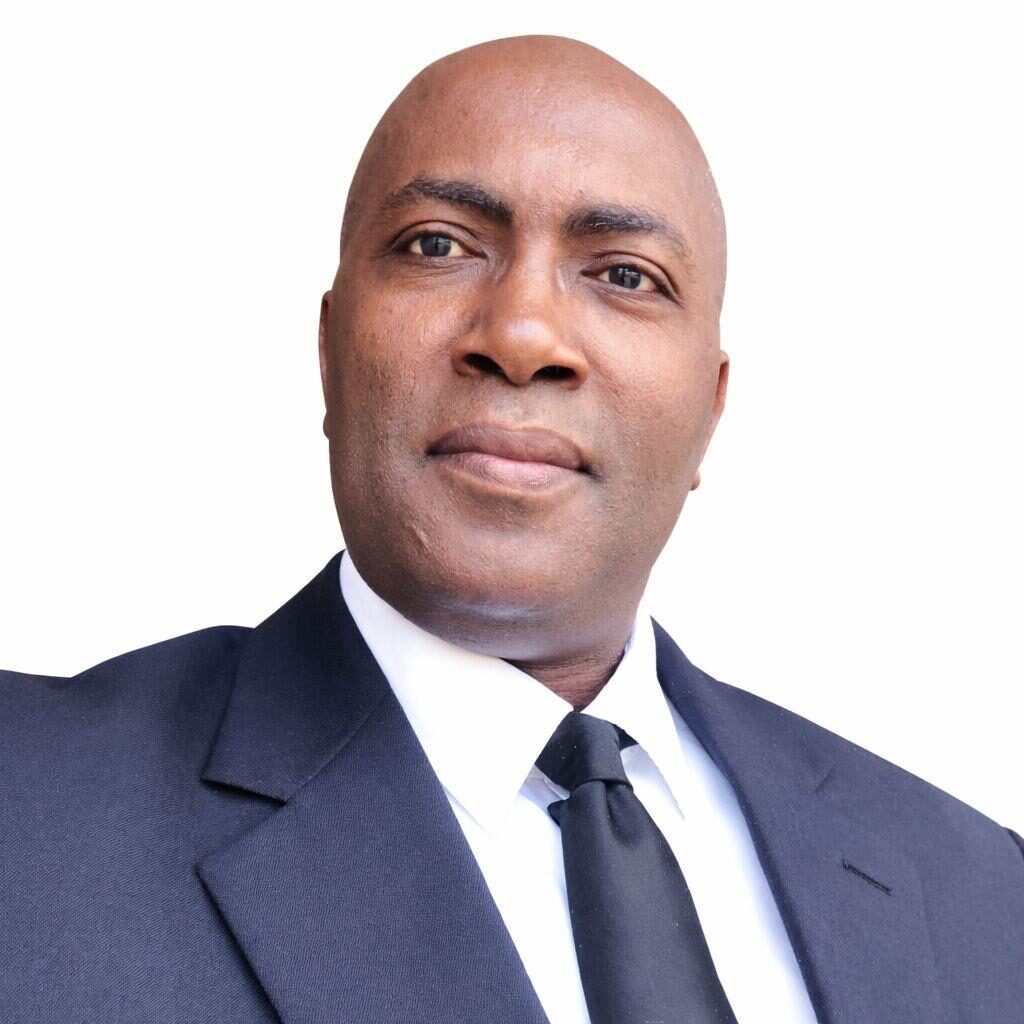
Nosa Osaikhuiwu
President
Nosa Osaikhuiwu
President
Nosa Osaikhuiwu was born in Benin City, Nigeria. He attended St. Malachy’s College, Sapele, and Eghosa Grammar School, Benin City, before proceeding to the University of Benin where he studied Chemical Engineering. He later earned a Master’s degree in Project Management, with minors in Business Analytics and Healthcare Administration, from Colorado State University in the United States of America.
A natural leader and problem solver, Osaikhuiwu learned the values of hard work, integrity, and personal responsibility from an early age. These values shaped his lifelong commitment to leadership and public service—roles he has been called upon to assume at various stages of his life.
While at the University of Benin, he emerged as a prominent student leader during one of the most turbulent periods in Nigeria’s political history. Alongside other young men and women, he actively participated in student movements opposing the military regime of General Ibrahim Badamasi Babangida. As a result of this activism, he was arrested and detained several times, including a 57-day incarceration at the notorious Directorate of Military Intelligence (DMI) detention facility in Apapa, Lagos, following anti-Structural Adjustment Program (SAP) student demonstrations. These experiences profoundly shaped his worldview and strengthened his resolve to search for lasting solutions to Nigeria’s deep-rooted national challenges.
Over the years, Osaikhuiwu has lectured widely and written numerous articles addressing issues of national development and governance. Central to his work is the belief that Nigeria’s problems cannot be solved merely through top-down leadership changes. Instead, he argues that meaningful and sustainable reform must begin from the bottom up through cultural and ethical transformation within society.
To illustrate this perspective, he developed two conceptual frameworks: the Boiling Water Theory and the Basket of Rotten Tomato Theory. These theories explain the systemic and cultural nature of Nigeria’s challenges and emphasize that only a deliberate, grassroots-driven culture change can produce ethical leadership. Just as water must be heated from below before it reaches its boiling point, societal values must evolve at the grassroots level until they reach a critical mass capable of reshaping leadership at the top.
Although trained as an engineer, Osaikhuiwu has developed extensive experience in change management, particularly in the elimination of waste, fraud, and abuse within systems and institutions. His passion for ethical reform and national transformation compelled him to document his ideas in his book Culture Change: The Key to Ethical Transformation of Nigeria.
He is also the co-author, alongside Prince Ewemade Konkons, of a forthcoming book titled Boko Haram: A Bottom-Up Approach to Securing Nigeria and Ending Insecurity, which applies the same grassroots philosophy to Nigeria’s security challenges.
Unapologetic in his advocacy, Osaikhuiwu challenges the widely held belief that merely changing political leaders will fix Nigeria. He maintains that Nigeria’s fundamental challenge is cultural rather than purely political. According to him, ethical leadership can only emerge when the population itself embraces ethical values—when accountability, personal responsibility, integrity, and service become normalized at the societal level and rise organically into leadership.
Driven by this long-standing vision of cultural change and ethical transformation, Osaikhuiwu joined forces with other like-minded patriots motivated by a deep love for Nigeria to establish the Foundation for Ethical Society and Cultural Awareness (FESCA).
FESCA is an organization dedicated to promoting ethical reawakening and cultural reform in Nigeria. Guided by the core values of integrity, accountability, personal responsibility, ethical leadership, and service to society, the foundation seeks to inspire a nationwide movement for cultural transformation capable of building a more just, responsible, and prosperous Nigeria.
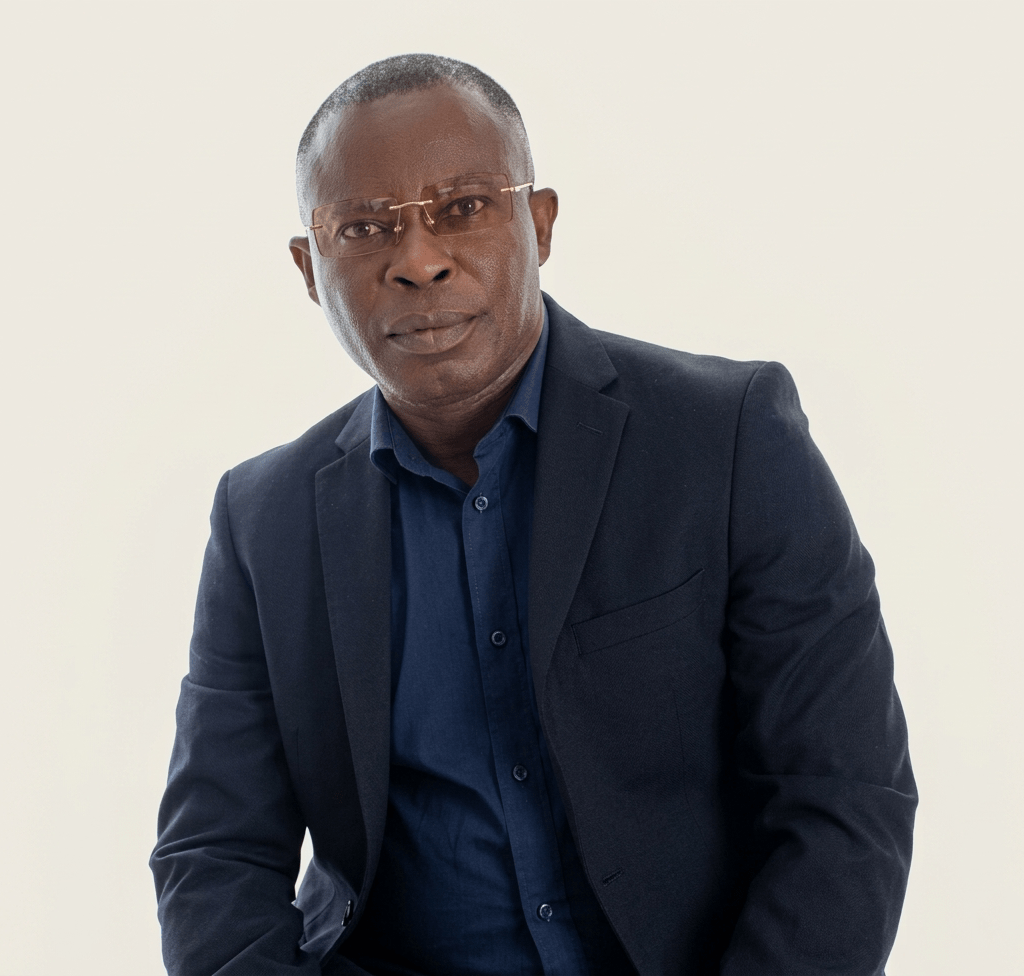
Prince Ewemade Konkons
General Secretary
Prince Ewemade Konkons
General Secretary
Prince Ewemade Konkons is a law student, cultural reform advocate, prolific writer, and political commentator whose work centers on ethical transformation, national development, and the pursuit of good governance. Through his writing and public engagement, he has emerged as a voice calling for a deeper examination of the cultural and moral foundations that shape leadership, institutions, and civic responsibility.
Prince Konkons is the co-author of Culture Change: The Ethical Transformation and Good Governance, a thought-provoking work that challenges societies, particularly in Africa, to rethink the relationship between culture, ethics, leadership, and sustainable national development. In the book, he argues that political reform alone cannot solve the challenges faced by many developing nations; rather, lasting change must begin with a transformation of values, attitudes, and civic consciousness.
With a professional background in Information Technology, he brings analytical precision and structured reasoning to complex social and political discourse. His interdisciplinary perspective, combining technology, law, culture, and governance, enables him to approach national issues with both intellectual depth and practical insight.
Born into a society shaped by the stark contrasts between wealth and poverty, tradition and modernity, Prince Konkons developed an early commitment to justice, accountability, and societal renewal. His upbringing instilled in him a deep respect for cultural heritage while reinforcing his belief that sustainable progress in Nigeria and across Africa must be built on ethical leadership, disciplined institutions, and a reformed civic culture.
As a writer and thinker, he operates at the intersection of culture, ethics, and governance. His work consistently emphasizes that corruption, weak institutions, and ineffective leadership are not merely political failures but reflections of deeper cultural challenges that must be addressed at their roots. According to him, culture ultimately shapes leadership, and without ethical transformation within society, meaningful political reform remains limited.
Through his writings and commentaries, Prince Konkons advocates for a new generation of leaders and citizens guided by integrity, accountability, and a shared commitment to the common good. He promotes a shift in national mindset, from entitlement to responsibility, from self-interest to collective progress, and from passive citizenship to active civic participation.
In addition to his literary and intellectual contributions, he is actively engaged in conversations about Nigeria’s political future and the role of civic responsibility in nation-building. His work continues to inspire dialogue, reflection, and action among readers, policymakers, and emerging leaders.
At the heart of Prince Ewemade Konkons’ philosophy is a simple but powerful conviction: ethical transformation is the foundation upon which lasting national prosperity and good governance must be built.
Malam Naseer Kura
Member - Board of Trustees

Malam Naseer Kura
Member - Board of Trustees
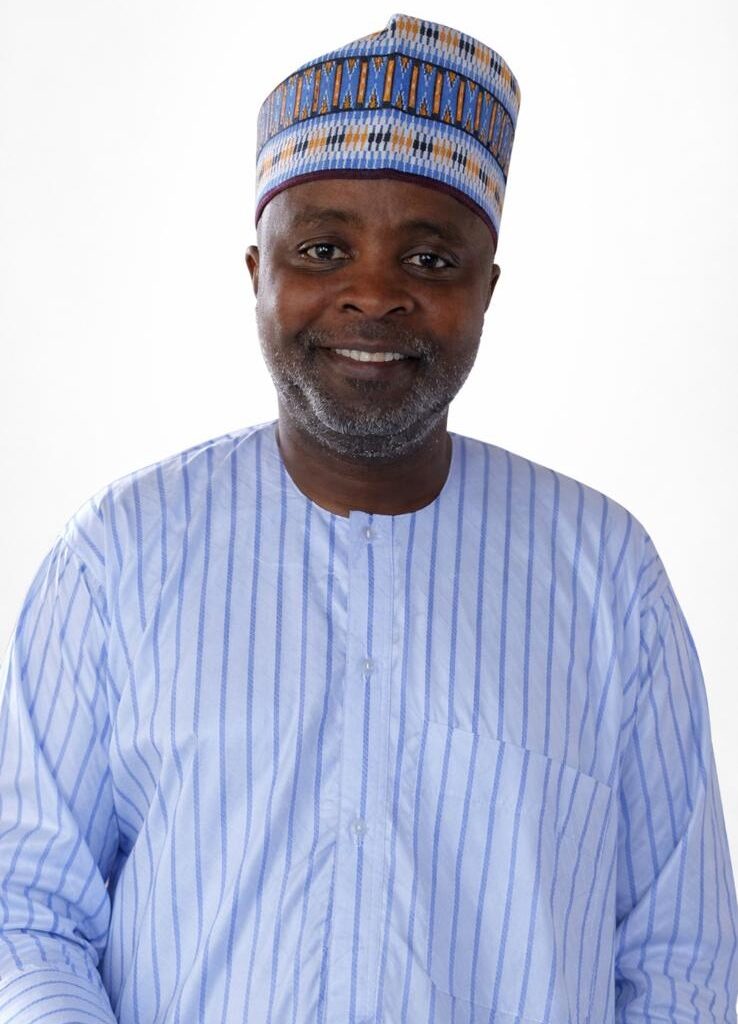
Malam Naseer Kura was born in Kano in the late 1960s, where he also had his early education. He attended the College for Advanced Studies (CAS) before proceeding to Bayero University Kano, where he completed his higher education.
During his student years, Malam Kura demonstrated strong leadership and commitment to national issues. He served as President of the National Association of Nigerian Students (NANS) in 1992/1993, a critical period following the annulment of the historic June 12 elections—a defining moment in Nigeria’s democratic struggle.
He graduated in 1993 and went on to complete his National Youth Service Corps (NYSC) in 1994/1995 in the then Old Rivers State.
Following his NYSC, Malam Kura began a distinguished career in civil society and advocacy. From 1995 to 2004, he worked with the Civil Liberties Organisation, contributing significantly to human rights and democratic development initiatives.
He later joined The Buhari Organisation (TBO), where he served as Desk Officer in charge of Women and Youth from 2004 to 2007. Between 2007 and 2011, he was the Zonal Secretary (North-West) of the Good Governance Group, further strengthening his role in promoting accountability and democratic governance.
In 2014, Malam Kura served as a delegate representing Civil Society Organizations (CSOs) at the 2014 National Conference, contributing to national dialogue on governance and reform.
Over the years, he has consulted for both local and international organizations on a wide range of thematic areas, including accountability, good governance, social security, justice, and transparency.
Malam Naseer Kura currently serves as the Executive Director of Basic Rights Action (BRA), where he continues his lifelong commitment to advancing human rights and strengthening democratic institutions.
Ufuoma Vivian Akpobi
Member - Board of Trustees
Ufuoma Vivian Akpobi
Member - Board of Trustees
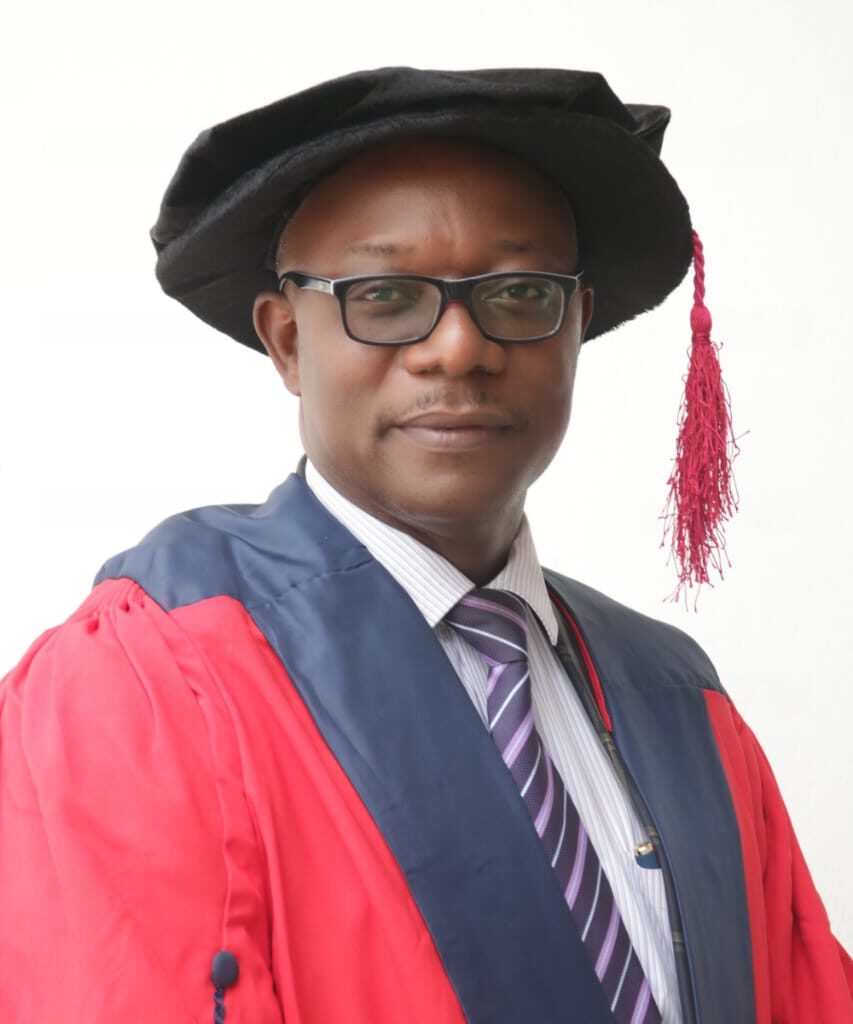
Ufuoma Vivian Akpobi is a passionate social entrepreneur and dedicated community development advocate committed to driving positive change across Nigeria. She is the Co-founder of the Indomitable Youths Organization (IYO), established in 2008, with a mission to empower young people and strengthen communities through sustainable initiatives.
With strong leadership, organizational, and community engagement skills, Ufuoma has successfully spearheaded numerous empowerment, health, and outreach programs across multiple states in Nigeria. Her work has impacted thousands of individuals, particularly youths and vulnerable populations, through advocacy, capacity-building training, and humanitarian interventions.
Driven by a deep commitment to social transformation, she continues to champion initiatives that promote inclusion, resilience, and community development, positioning herself as a key contributor to grassroots development and social progress.
Prof. Lawrence Omo-Aghoja
Member - Board of Trustees
Prof. Lawrence Omo-Aghoja
Member - Board of Trustees
Prof. Lawrence Omo-Aghoja is a professor of medicine and serves on FESCA team as a member of the Board of Trustees and he brings on board a vast cognate experience, strong leadership skills, strategic vision, and excellent communication abilities to bear on the general administration and governance of FESCA with utmost commitment to effectively represent, always project and defend the overall best interest of the Foundation. He is entrenching an enduring strong culture of visionary, purposeful, efficient, effective and result oriented approach to delivering on assignments by the team. He demonstrates high level of integrity, fairness, and transparency in decision-making, while also fostering a collaborative and inclusive milieu for all.
Prof. Omo-Aghoja is a strong mobilizer and motivator who inspires and energizes members to work towards common goals. A policy expertise who understands policy-making processes and government structures with ability to navigate challenges and adjusts his strategies as needed. He has a vast array of networks and partnerships that will help build alliances that will amplify the group’s impact. He has strong analytical skills directed at interrogating data and information to inform decision-making.
He has a robustly pleasant relationship with persons in positions of authority, his peers and all relevant stakeholders of his immediate constituencies where his opinions are revered.
